How to Style a Small Victorian Terrace Living Room for Both Cosy and Modern Looks
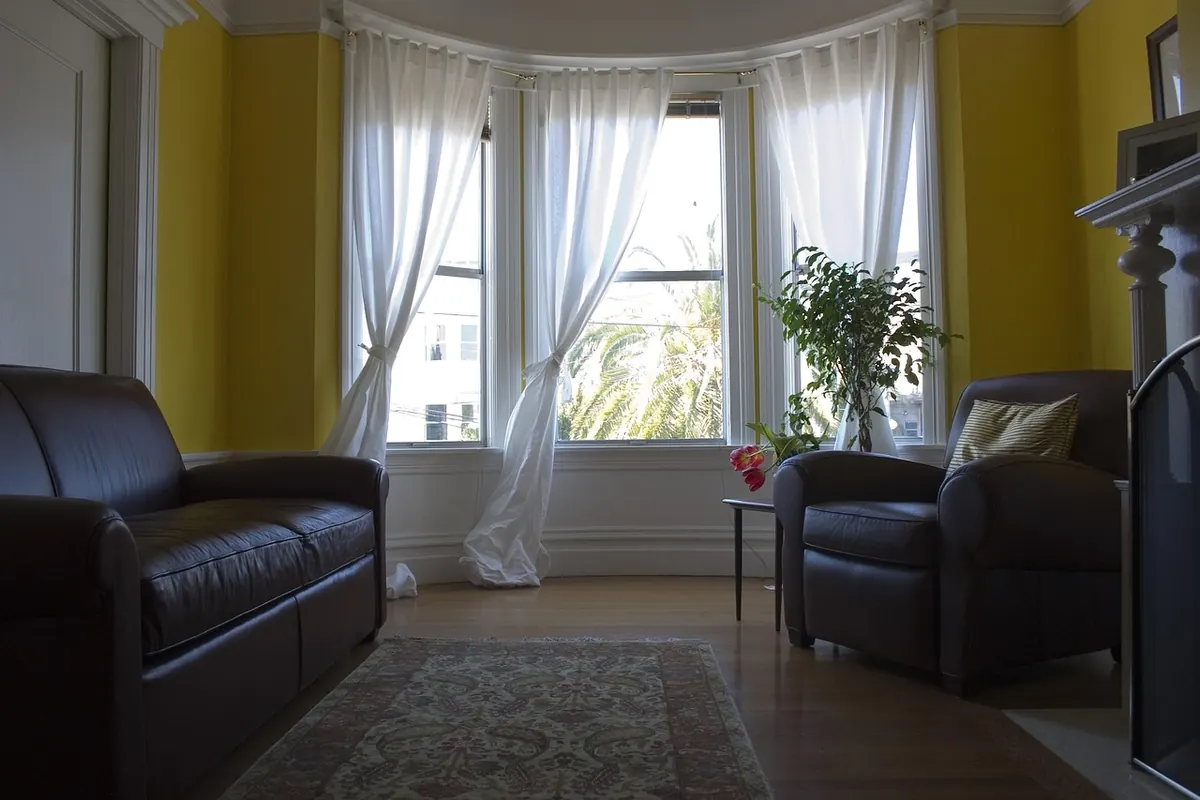
Victorian terraces pack a great deal into a small footprint: a long, narrow front room, a bay window, a chimney breast with alcoves either side, and ceilings that look as though they belong in a grander house. The proportions are lovely. The trouble is that these rooms were designed for a different way of living — a piano, a coal fire, a family arranged in a circle — while the modern version has to hold a sofa, a television, a laptop and, quite possibly, a dog bed.
Period character and contemporary comfort are not opposites. They only look like opposites when a room is styled around one and ignores the other. Here is how to bring the two together so the result feels neither like a museum nor a show home.
Start With the Bones of the Room
The quickest route to a room that reads as both period and modern is to let the architecture do the period work, then keep everything else quietly simple. Before you look at furniture, look up. Cornicing, a ceiling rose, a picture rail, deep skirting boards and tall sash windows are character you already own.
Decide what you are keeping before you spend anything. If there is a decent fireplace surround, do not box it in or cover it with a flat panel. If a previous owner stripped out the picture rail or the skirting, those are relatively straightforward things to reinstate, and a picture rail saves you drilling into old plaster every time you want to hang something. If the chimney has been blocked and you are considering a wood-burning stove, check the building regulations and whether you are in a smoke control area with your local authority before committing.
Alcoves are the most useful feature in a terrace and the most frequently wasted. More on those below.
Choose the Palette Before You Buy a Single Thing
Small rooms are constantly told to go all white. Resist it. All white in a Victorian terrace flattens the very details that make the room worth having — cornicing and mouldings vanish when everything is the same blank tone, and the room can end up feeling cold rather than spacious.
High ceilings give you permission to use far more colour than a modern box room would allow. A mid-tone on the walls with bright white or off-white woodwork is a dependable starting point. So is a deeper shade below the picture rail with something softer above it, which brings a tall, narrow room down to a more intimate scale. Colours that sit naturally with Victorian architecture tend to be earthy rather than acidic: muted greens, clay pinks, ochre, slate blue, and warm off-whites instead of cool greys. If the room faces north, look for warm undertones; if it faces south, you can afford to go cooler and deeper.
Paint large samples on two walls and look at them in the morning and again under lamplight in the evening. Paint is cheap. Repainting an entire room twice is not.
Get the Lighting Right Before the Furniture Arrives
Most terrace living rooms have one ceiling pendant and nothing else, which is why they feel either gloomy or clinical depending on the bulb. Aim for three layers instead.
- Ambient: the pendant. Keep the shade modest — an oversized drum fitting eats the headroom in a narrow room.
- Task: a floor lamp beside the main seat for reading, plus a table lamp on a side table or sideboard.
- Accent: something low and warm, such as a small lamp on the mantel, a picture light above artwork, or slim shelf lights inside the alcoves.
Warm white bulbs and dimmer switches, where the wiring allows, will do more for the atmosphere than any amount of cushion shopping. A grid of cool downlights is the fastest way to make a period room look like an office.
Lay the Room Out Around the Fireplace
In a narrow room, the fireplace is still the natural anchor. Put the main sofa opposite it or at a right angle to it, and resist the urge to push every piece of furniture flat against the walls. Seating that floats slightly into the room usually makes it feel wider, not narrower.
A pair of smaller sofas, or a sofa with two armchairs, works better here than one enormous corner unit. A big rectangular coffee table will dominate the floor; a round or oval one, or two small tables you can shift when you need the space, keeps sightlines open. Choose a rug that is large enough for the front legs of the seating to sit on — a small rug floating in the middle of the boards shrinks the room.
Make the bay earn its keep. A window seat with storage underneath, or a slim desk tucked into the curve, turns dead space into function. If the television has to live in this room, put it where it does not compete with the fireplace: a corner stand, or a bracket angled across the room. Victorian walls may need proper fixings rather than a standard plug and screw, so take advice before drilling.
Mix Old and New With One Clear Rule
Pick which half of the room is doing the period work. Either keep the shell traditional and modernise the furniture, or keep the furniture classic and simplify the shell. Attempting both at full volume — busy floral wallpaper, antique everything, fringed shades — will make a small room feel crowded and dated. Doing neither leaves it bland.
In practice that might mean keeping the cornice, fireplace and picture rail, then furnishing with a plain linen or wool sofa in a single solid colour and a low, clean-lined armchair. Or it might mean pared-back walls and bare floorboards, warmed up with an old chest used as a coffee table and a mid-century lamp. Mix textures rather than patterns: wool, linen, aged brass, dark wood, and one glossy surface for contrast.
Storage That Disappears Into the Architecture
Clutter is what makes a small period room feel small. The trick is to store things in furniture that reads as part of the building rather than as another object in the room.
- Alcove shelving painted the same colour as the walls, so it recedes rather than juts forward.
- An ottoman or blanket box that doubles as a footrest and holds throws and magazines.
- A slim console behind the sofa if there is a gap, for lamps and a bowl for keys.
- Baskets tucked under an open-framed sofa, which are easy to pull out and easy to hide.
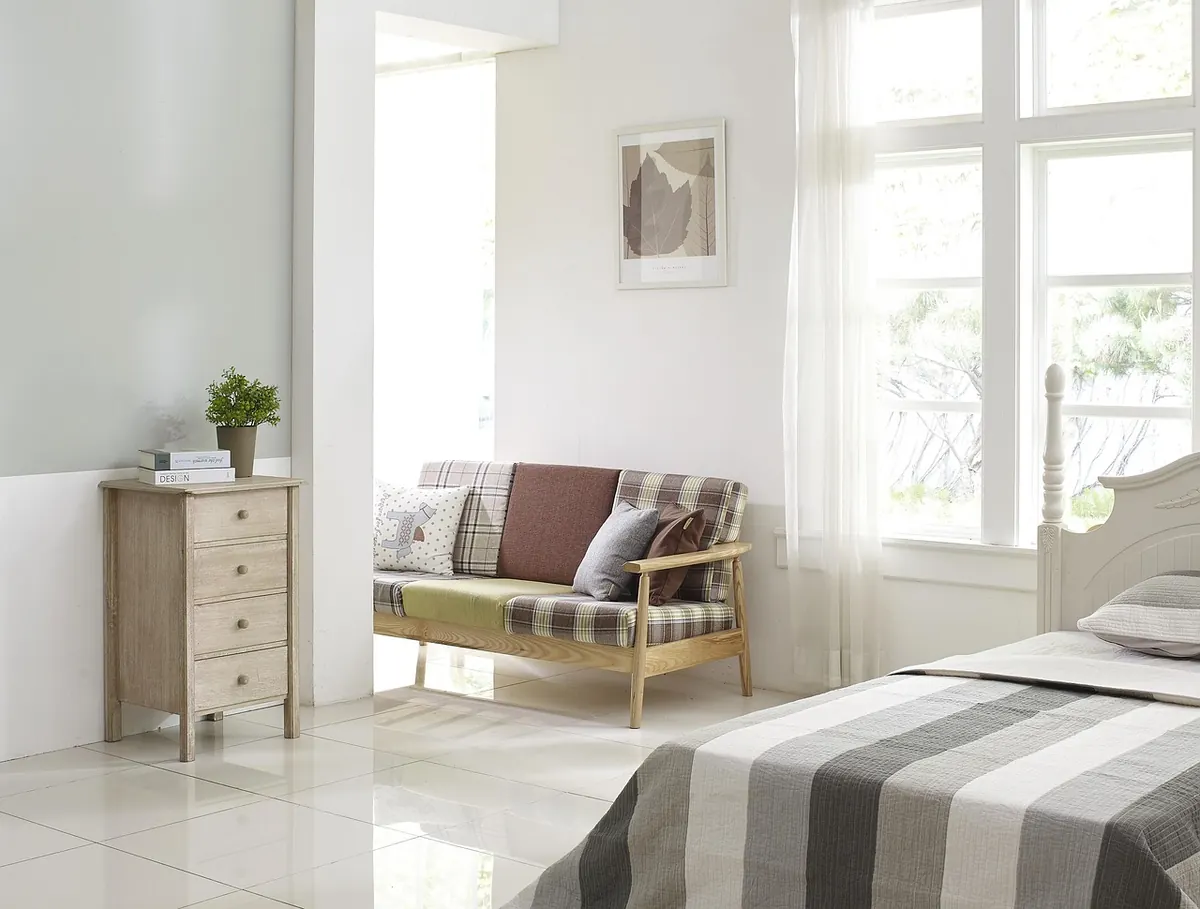
- A chest of drawers standing in as a side table, giving you a surface and storage in one footprint.
Keep the mantel and the coffee table mostly clear. One or two objects with room around them will always look better than a collection.
Let the Room Settle Before You Finish It
Once the big pieces are in, stop. Live in the room for a week or two before buying anything else, and notice where you actually put your cup down, where the light is poor in the evening, and which corner nobody ever sits in. Almost every adjustment worth making will reveal itself in that time.
The last ten per cent of a room — the cushion, the throw, the framed print — should be chosen slowly and in the room itself, not all at once online. Buy one thing you genuinely love rather than five things that fill a gap.
The best small Victorian living rooms are rarely the most decorated. They are the ones where the period bones are still visible, the lighting is warm and layered, the seating is comfortable enough to keep you there, and there is a little breathing space left over. Get those four things right and the room will work for another hundred years.
Photo: manbob86 / Pixabay

DIY Christmas Table Centrepiece Ideas Using Foraged Greenery
Gather ivy, holly, conifer and moss on a winter walk, then turn them into a low candle ring, a leafy...
A Checklist for Buying Second-Hand Furniture Online in the UK
What to measure, ask and inspect before buying pre-loved furniture online — plus the red flags that mean...
About Us