Real vs Faux Leather Sofas: Which Is Better for Busy British Families?
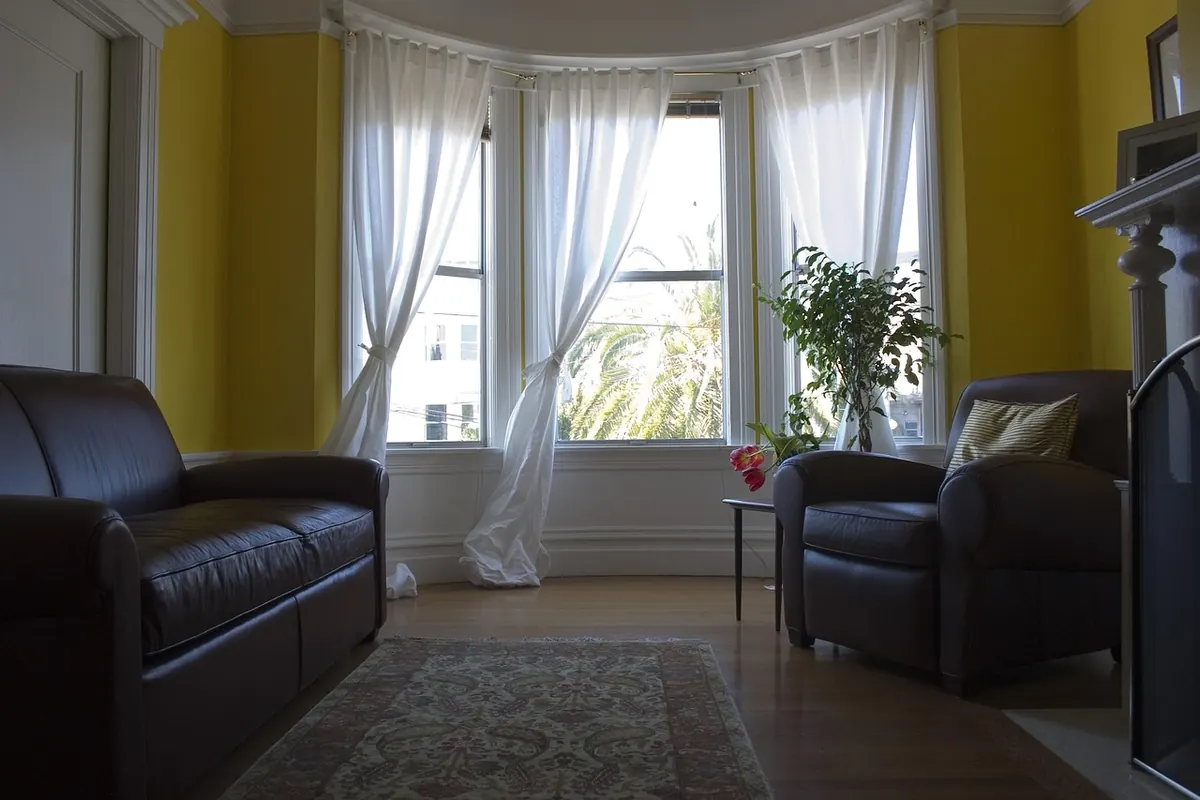
Choosing a sofa when you have small children, a shedding dog and a habit of eating dinner on your lap is a very different exercise from choosing one for a quiet spare room. Leather — whether it came from a hide or a factory — is usually the first thing people consider, because it wipes clean. But the word "leather" on a showroom label covers a wide range of materials, and two sofas that look identical on the shop floor can behave very differently after three years of homework, spillages and a cat with opinions.
Real, faux, and the confusing bit in between
Real leather is hide that has been tanned and finished. The grade matters far more than the real-versus-faux headline. Full-grain and top-grain leather keep the natural surface and age with marks and creases. Corrected-grain is sanded and embossed to hide scars, and split leather is the lower layer, often given a printed grain. Bonded leather is the one to watch: leather fibres mixed with a binder and rolled onto a backing, which tends to flake rather than wear.
Faux leather is a fabric base with a plastic coating. Polyurethane (PU) is the common modern option; PVC is older, heavier and colder to sit on. Better faux — often sold as microfibre or silicone-coated leather — feels far more convincing than the shiny, stretchy material on budget sofas.
One label to read carefully: "leather match" or "leather gel" usually means leather only on the surfaces you touch, with the sides and back in faux.
Durability: what actually fails first
Good leather is hard to destroy. It scuffs, fades in strong sunlight and creases, but it does not peel. Sharp claws are its weakness — a cat can leave permanent marks in seconds — and so is neglect, since leather dries out and cracks if it is never cleaned or conditioned.
Faux leather's reputation problem is peeling. The plastic coating eventually separates from the backing, usually starting on armrests, headrests and seat fronts, and there is no repair that looks right. Heat accelerates it, so a sofa facing a radiator or a south-facing window will degrade faster. Cheap faux might look tired in three or four years; a decent one will last considerably longer with care.
Ask about the frame and foam as well. A hardwood frame and high-resilience foam will outlast the covering on most sofas, real or faux.
Comfort in a British living room
Leather feels cool when you first sit down and warms to your body. That is pleasant for ten minutes and less pleasant in a hot spell, when bare legs stick. Faux behaves similarly at first, but it does not breathe the way hide does, so it can feel clammy on a warm evening and chilly in a room that takes an age to warm up.
If your living room is north-facing or you spend most evenings under a throw, fabric may beat both. If you want the wipe-clean practicality, consider microfibre faux leather or a combination: fabric on the seats, leather on the arms and back where drinks and grubby hands land.
Cost: the upfront price and the long game
Real leather costs more at the till, and while that gap has narrowed for good faux, it is still there. The question is how long each lasts. A cheap faux sofa replaced twice in ten years often costs more than one well-made leather sofa that sees out the decade — and leather in reasonable condition holds some resale value, which faux rarely does.
Two things are worth paying for: leather on all the seating surfaces, and a frame you can knock without hearing a hollow rattle. If the budget is tight, buy the smaller sofa in better materials rather than the bigger one in worse.
Maintenance and family life
This is where leather earns its keep, with caveats.
- Wipe spills promptly with a damp cloth and a little mild soap; avoid soaking the seams.
- Dust weekly with a dry microfibre cloth, because grit works into creases and abrades the surface.
- Condition real leather once or twice a year to stop it drying out.
- Keep both types out of direct sun and away from radiators.
- Blot rather than rub, and test any product on a hidden area first.
The caveats matter. Felt-tip pen, ballpoint ink and some clothing dyes are difficult to lift from leather, and dark denim can transfer onto pale hides. Faux wipes clean easily, but alcohol-based cleaners, bleach and abrasive pads will strip or crack the coating, so a mild soap solution is safer. Bicarbonate of soda, brushed off after a few hours, deals with most smells on either material.
Also worth knowing: a leather sofa with a repaired cat scratch looks characterful. A faux one with a peeling armrest looks broken.
How to judge quality in the showroom
- Ask what proportion of the sofa is leather, and which parts.
- Request a swatch and take it home to check against your light and flooring.
- Press a fingernail into the surface. Real leather creases and springs back; cheap faux stretches and shines.
- Look underneath and at the back. Flimsy stapling shows up there first.
- Sit for ten minutes, not ten seconds, and check the padding depth on the arms.
- Read the warranty. What it excludes tells you what the maker expects to go wrong.
Which one suits your household?
Choose real leather if you want a sofa you will keep for fifteen years, you do not mind a few marks, and you have no cats. Choose faux if the budget is fixed, you want a vegan or hypoallergenic option, you rent and may move again in a few years, or you would rather replace a sofa than maintain one.
For most busy families the honest answer sits in the middle: leather where you sit and where hands land, easy-clean fabric or good microfibre elsewhere, and a solid frame underneath. Spend on the frame and the foam, treat whichever covering you choose with a little care, and it will cope with the yoghurt, the wellies and the dog. If you are buying on finance or spending a significant sum, read the terms and check the numbers against your own budget before you commit.
Photo: Leah Newhouse / Pexels
DIY Christmas Table Centrepiece Ideas Using Foraged Greenery
Gather ivy, holly, conifer and moss on a winter walk, then turn them into a low candle ring, a leafy...

A Checklist for Buying Second-Hand Furniture Online in the UK
What to measure, ask and inspect before buying pre-loved furniture online — plus the red flags that mean...
About Us